Featured
Table of Contents
- – The Critical Significance of Language in Therapy
- – Specific Therapy in Multiple Languages
- – Pairs Therapy Across Social and Linguistic Splits
- – Multicultural Counseling: Honoring Varied View...
- – Cognitive Behavior Modification in Multilingua...
- – Dialectical Behavior Treatment for Psychologic...
- – Internal Household Equipments and Somatic Trea...
- – Accessing Culturally Receptive Mental Healthcare
In a significantly varied culture, the ability to obtain psychological healthcare in one's native language represents more than convenience-- it's a basic facet of efficient therapy. Heart n Mind in Canada exhibits the expanding acknowledgment that multilingual psychiatric therapy services are vital for supplying culturally receptive, available psychological wellness assistance to individuals, couples, and family members browsing life's obstacles throughout social and etymological borders.
The Critical Significance of Language in Therapy
Men's Mental Health CounselingLanguage forms not just just how we interact however how we believe, really feel, and procedure feelings. When customers take part in treatment in their second or third language, they may struggle to access the nuanced emotional vocabulary required to explain complex inner experiences. This etymological obstacle can inadvertently restrict the depth of restorative work, particularly when refining injury, exploring family-of-origin characteristics, or articulating subtle relational patterns.
Multilingual psychotherapy acknowledges that the language in which we initially found out to name our emotions often continues to be the most straight pathway to authentic emotional expression. For lots of immigrants, refugees, and multilingual people, the capability to alternating between languages throughout therapy sessions-- or to perform entire sessions in their preferred language-- develops a degree of mental safety and security and authenticity that monolingual solutions can not duplicate.
Cognitive Behavioural TherapyResearch regularly demonstrates that customers dealing with therapists who talk their indigenous language record stronger healing partnerships, much better treatment adherence, and extra favorable outcomes. This advantage extends beyond straightforward translation to encompass social idioms, expressions, and ideas that may not have straight equivalents throughout languages.
Specific Therapy in Multiple Languages

Individual counseling forms the cornerstone of psychological health therapy, giving a personal room for personal exploration, sign administration, and growth. When conducted in a client's native language, private therapy can access deeper layers of experience that might stay hidden behind the safety obstacle of a 2nd language.
Multilingual specialists bring social capability that extends past language effectiveness. They recognize just how various cultures conceive psychological wellness, express distress, and method help-seeking behaviors. This cultural-linguistic expertise enables specialists to recognize culturally details discussions of anxiety, clinical depression, and various other mental health issues that could be misinterpreted through a Western-only lens.
For people navigating acculturation tension, identification development throughout cultures, or the facility feelings bordering immigration experiences, multilingual individual counseling supplies an unique area to incorporate numerous social identities. Customers can explore how their heritage culture and adopted society communicate, occasionally causing conflict and other times creating abundant opportunities for development and expanded viewpoints.
Pairs Therapy Across Social and Linguistic Splits
Couples treatment takes on added complexity when partners originate from different social histories or when the language spoken in your home differs from the dominant language of their taken on country. Multilingual pairs treatment addresses these unique challenges while helping companions reinforce their partnership, enhance communication, and navigate problems effectively.
Many modern couples locate that significant aspects of their partnership dynamics are rooted in cultural distinctions around family participation, communication designs, sex functions, and parenting strategies. A multilingual specialist who recognizes these cultural contexts can help pairs determine when conflicts come from social distinctions versus personal conflicts, producing area for shared understanding as opposed to judgment.
The capacity to code-switch during pairs sessions-- enabling each companion to express themselves in their most comfy language when required-- can be transformative. This etymological flexibility makes sure that both companions really feel similarly listened to and recognized, stopping the power imbalances that can emerge when one partner must always communicate in a non-native language.

Multicultural Counseling: Honoring Varied Viewpoints
Multicultural counseling stands for a therapeutic technique that proactively incorporates clients' cultural identifications, values, and worldviews right into therapy. This framework identifies that culture exceptionally influences exactly how people recognize themselves, connect to others, and conceptualize psychological health and wellness and wellness.
Reliable modern therapy needs specialists to analyze their very own cultural biases and assumptions while establishing genuine interest about customers' social experiences. For multilingual therapists, this cultural humbleness incorporates with etymological capacity to produce genuinely inclusive healing environments where customers don't require to explain or equate their social experiences via a Western structure.
This technique proves especially valuable for people browsing several social identifications, experiencing discrimination or marginalization, or struggling with the mental effect of leaving their home countries. Modern therapy recognizes the real-world contexts that form mental health and wellness, consisting of systemic obstacles, immigration anxiety, and the continuous settlement of identification across cultural contexts.
Cognitive Behavior Modification in Multilingual Contexts
Cognitive Behavioral Therapy (CBT) concentrates on identifying and customizing believed patterns and habits that add to emotional distress. When supplied in a client's indigenous language, CBT ends up being much more exact and efficient since the cognitive restructuring job depends greatly on identifying subtle thought distortions and generating alternate perspectives.
Multilingual CBT professionals recognize that automatic thoughts-- the rapid, frequently subconscious cognitions that affect feelings-- usually happen in one's mother tongue. By carrying out CBT in that language, specialists can much more successfully recognize and test these ideas at their resource as opposed to working with the filter of translation.
Cultural adjustments of CBT for varied populaces have actually demonstrated the relevance of lining up cognitive restructuring collaborate with cultural values and beliefs. What makes up a "" useful idea"" or an "" adaptive habits"" may differ substantially across societies, needing specialists to adapt common CBT protocols while preserving the therapeutic approach's empirical foundation.
Dialectical Behavior Treatment for Psychological Guideline
Dialectical Behavior Modification (DBT) educates concrete skills for managing extreme emotions, enduring distress, improving relationships, and keeping mindfulness. The organized nature of DBT skills training makes it specifically open to multilingual distribution, as the specific techniques can be shown and practiced in any language.
The philosophical foundation of DBT-- which attracts from Zen Buddhist ideas of mindfulness and approval-- might resonate in a different way throughout cultures. Multilingual specialists can attract links between DBT principles and ideas from clients' social or spiritual histories, making the abilities really feel extra available and directly relevant.
For individuals from collectivist cultures, DBT's interpersonal effectiveness component can be adapted to address the certain obstacles of preserving social worths around household responsibility while likewise setting suitable borders. The capability to go over these subtleties in one's native language enables more advanced exploration of how to balance competing social expectations.
Internal Household Equipments and Somatic Treatment
Internal Family Members Equipment (IFS) treatment conceives the mind as composed of several "" components"" with different functions, emotions, and viewpoints. This therapeutic approach can be specifically effective in multilingual contexts, as clients frequently discover that different components of themselves are connected with various languages or social identities.
For instance, a client may discover that their "" vital component"" speaks in their parents' indigenous language, while their "" confident component"" utilizes the language of their taken on nation. Multilingual IFS treatment permits clients to discussion with these parts in whatever language feels most authentic, assisting in much deeper accessibility to internal experiences and more reliable interior interaction.
Somatic therapy emphasizes the body's function in keeping and refining psychological experiences. Since body experiences go beyond language, somatic methods can be specifically beneficial in multilingual treatment settings. The language utilized to explain and discover bodily experiences still matters considerably-- customers often have a lot more nuanced vocabulary for body feelings in their indigenous language.
The combination of somatic awareness with multilingual capacity permits therapists to help clients discover just how language-switching affects their physiological state, just how cultural experiences are held in the body, and exactly how reconnecting with one's native language can help with access to emotional material that has been somatically saved.
Accessing Culturally Receptive Mental Healthcare
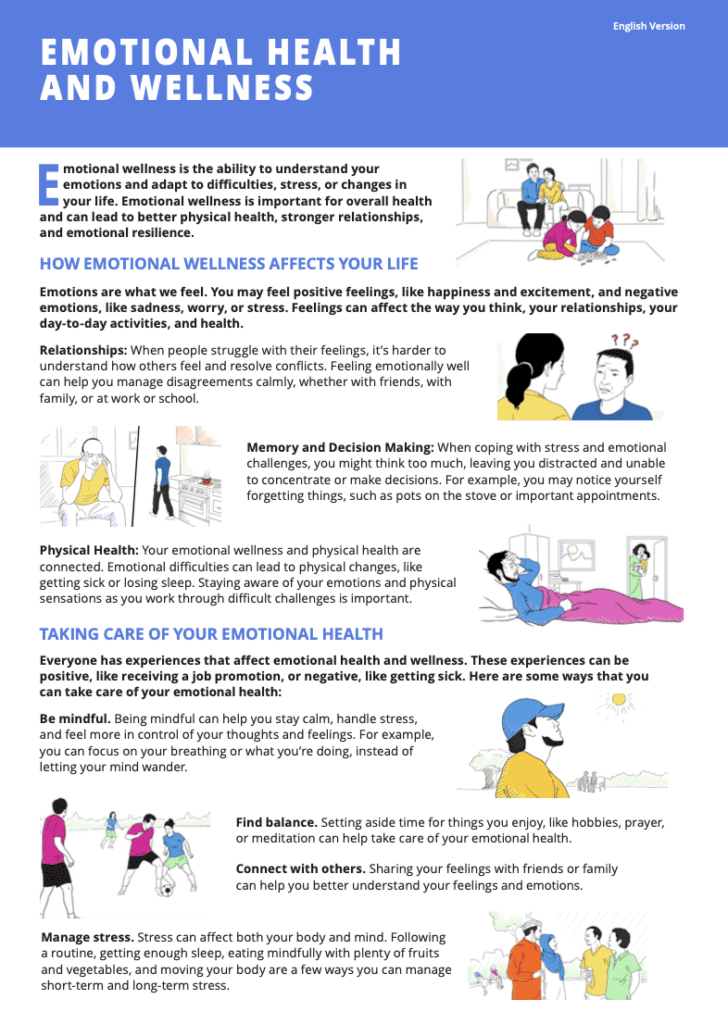
The accessibility of multilingual psychotherapy solutions stands for a significant advancement in psychological health and wellness ease of access and equity. Practices using services in multiple languages acknowledge that reliable psychological health and wellness care have to be both linguistically and culturally responsive to offer significantly varied communities.
When looking for multilingual therapy solutions, consider not just language capability but additionally specialists' social proficiency, training in evidence-based techniques, and experience working with clients browsing cross-cultural experiences. The combination of etymological accessibility, cultural understanding, and clinical experience develops the foundation for transformative therapeutic job that honors all facets of your identification and experience.

Table of Contents
- – The Critical Significance of Language in Therapy
- – Specific Therapy in Multiple Languages
- – Pairs Therapy Across Social and Linguistic Splits
- – Multicultural Counseling: Honoring Varied View...
- – Cognitive Behavior Modification in Multilingua...
- – Dialectical Behavior Treatment for Psychologic...
- – Internal Household Equipments and Somatic Trea...
- – Accessing Culturally Receptive Mental Healthcare
Latest Posts
The Interplay Between Early Wounds and Professional Drive
Find Inner Peace at a Northampton Healing Retreat
EMDR and ART Therapy: Revolutionary Approaches to Trauma and Anxiety Therapy
More
Latest Posts
The Interplay Between Early Wounds and Professional Drive
Find Inner Peace at a Northampton Healing Retreat
EMDR and ART Therapy: Revolutionary Approaches to Trauma and Anxiety Therapy